Blog

  • The 1/2/3 Rule for Retinol: Your Flawless Glow Guide

    The 1/2/3 Rule for Retinol: Your Flawless Glow Guide

    Stepping into the world of advanced skincare feels incredible until a dreaded chemical burn or massive peeling spell ruins your vibe. Stumbling into the bathroom looking at flaky patches makes anyone want to toss their active serums right into the trash bin.

    Thankfully, mastering the popular 1/2/3 rule for retinol saves your precious skin barrier while unlocking that gorgeous, glass-skin radiance everyone craves.

    Getting a smooth, youthful complexion does not mean you have to endure an agonizing rite of passage filled with raw redness. Think of your cellular turnover journey as a cozy wellness marathon rather than a frantic sprint toward instant anti-aging gratification.

    Easing your delicate face into this transformative vitamin A derivative prevents classic irritation while letting the active ingredients do their heavy lifting behind the scenes.

    This Magic Routine Really Matters

    Your Skin Safeguard Scheme

    Let us be real: jumping face-first into skincare actives without a game plan is a recipe for a flaky disaster. The 1/2/3 rule for retinol acts as your ultimate complexion insurance policy. 

    How to Dress More Confidently can inspire readers to feel more confident in their overall beauty routine while building a calmer, more consistent retinol habit.

    This structured method stops you from turning into a peeling tomato, protecting your precious moisture barrier while unlocking maximum aesthetic radiance. It turns a intimidating chemical into your absolute best beauty bestie.

    The Science of Gentle Calibration

    During the initial phase of any advanced anti-aging skincare regimen, your outer stratum corneum experiences a temporary thinning effect while the deeper epidermal layers thicken. This structural shift is precisely why your face can feel tight, dry, or unusually sensitive during the first month of application. 

    Sticking to a strict, measured schedule protects your delicate moisture levels while your cells gradually upgrade their natural regeneration cycle.

    Demystifying the Famous Retinol Calendar

    Demystifying the Famous Retinol Calendar

    Understanding Your Golden Cellular Frequency

    Introducing potent retinoids too quickly signals absolute chaos for your protective lipid barrier, causing immediate flaking and burning. This progressive, beginner friendly schedule stands as the ultimate blueprint designed by skincare experts to ease your tissue into rapid cellular turnover safely.

    By following a structured timeline, you effectively condition your face to tolerate the active compound without triggering systemic inflammation.

    Week One Sets the Testing Foundation

    Your journey toward glass skin begins with extreme restraint and precise application methods. During this opening phase, you will apply your chosen low percentage formula exactly one time over the course of seven full days.

    Pick a predictable evening, like a relaxed Friday night, so you can easily observe how your skin tissue responds over the peaceful weekend.

    Week Two Expands Your Skin Tolerance

    Handling the first seven days without any noticeable redness means you are officially ready to step up your application game. For the second phase, apply your pea sized amount of serum exactly twice during the week, ensuring you space these nights out meticulously.

    Excellent spacing looks like applying your product on a Monday evening and waiting until Thursday night to repeat the process.

    Week Three Finalizes the Initial Acclimation

    Reaching the third tier means your cellular structure is becoming beautifully acquainted with accelerated renewal. You will now apply the active 

    cream exactly three times this week, maintaining a strict every other night rotation strategy. Stick to a simple Monday, Wednesday, and Friday schedule, keeping your weekends entirely dedicated to deep moisture recovery and barrier support.

    Actionable Steps for Flawless Daily Application

    Actionable Steps for Flawless Daily Application

    Embracing the 1/2/3 rule requires avoiding common retinol mistakes in your real-life evening aesthetic routine requires clean execution to bypass unexpected inflammation. 

    First, double cleanse your face with an ultra gentle, non stripping milky wash to melt away daytime cosmetics and stubborn sunscreen residues.

    Carefully pat your skin dry with a clean microfiber towel and wait a full fifteen to twenty minutes because applying retinoids to damp skin accelerates absorption to a dangerous, highly irritating degree. 

    If your skin is notably sensitive or prone to dryness, implement the celebrated sandwich method by applying a thin layer of hydrating lotion before your active serum. 

    Next, squeeze a precise, pea-sized dot of product onto your fingertips and dab it evenly across your forehead, cheeks, and chin while avoiding the hyper-sensitive eye contour and outer nostril crevices. Smooth the product gently using upward motions before waiting another ten minutes to let the active formulation settle deep into your pores. 

    Finally, seal everything in with a rich, ceramide heavy nourishing cream to lock down hydration and prevent transepidermal water loss while you sleep, making sure to avoid applying harsh active ingredients like alpha-hydroxy acids, beta-hydroxy acids, or benzoyl peroxide on your designated retinoid nights. 

    Do not forget to finish your daily beauty cycle by applying a generous amount of broad spectrum sunscreen every morning to protect your freshly sensitized, renewing cells from UV damage.

    Maximizing Results Beyond the Third Week

    Maximizing Results Beyond the Third Week

    Transitioning to Long-Term Maintenance Schedules

    Completing your third week beautifully does not mean you should suddenly rush into nightly applications without checking your barrier health.

    Skin Care for Perimenopause can help readers adjust their retinol routine when hormonal changes make skin feel drier, thinner, or more sensitive.

    Continue your thrice-weekly application for an additional month to ensure your tissue has completely integrated the active molecule into its daily function.

    Once your face feels completely normal and hydrated, you can safely bump up to four times weekly or move toward an every-other-night permanent routine.

    Selecting Complementary Barrier Repair Products

    Nurturing your face on your off-nights is just as crucial as the actual nights you use your vitamin A derivatives. Invest in professional-grade formulas packed with soothing niacinamide, squalane, fatty acids, and multi-weight hyaluronic acid molecules to actively repair your lipid layers. 

    These restorative ingredients fill in the structural gaps of your skin barrier, keeping your complexion looking plump, bouncy, and deeply hydrated.

    Frequently Asked Questions

    1. What is the 1/2/3 rule for retinol?

    The 1/2/3 rule for retinol is a progressive, beginner-friendly schedule where you apply the product once a week for the first week, twice during the second week, and three times throughout the third week to safely build up skin tolerance.

    2. What do Koreans use instead of retinol?

    Korean beauty formulations heavily utilize bakuchiol, which is a plant-derived alternative that delivers identical anti-aging, collagen-boosting benefits and smooth skin texture without causing the classic dryness, irritation, or peeling associated with traditional retinoids.

    3. Is 50 too late to start retinol?

    It is never too late to start using retinoids because mature skin benefits immensely from accelerated cellular turnover, boosted collagen production, faded dark spots, and smoothed fine lines at any stage of life.

    4. What should you never mix with retinol?

    Never layer your retinoid with potent exfoliating acids like salicylic, glycolic, or lactic acids, nor direct vitamin C, because combining these strong actives simultaneously causes severe skin barrier damage and intense irritation.

    Glowing Goals Achieved Forever

    Committing to the gentle 1/2/3 rule for retinol is the absolute best gift you can provide for your long-term beauty journey. Giving your skin tissue the proper time to adjust rewards you with reduced fine lines, faded hyperpigmentation, and a stunningly smooth texture. 

    Keep your hydration levels high, protect your fresh face with daily broad-spectrum sunscreen, and watch your ultimate glowing skin goals come to life.

  • Positive Parenting Tips for Everyday Family Life

    Positive Parenting Tips for Everyday Family Life

    I know family life can feel messy, loud, and unpredictable. Some days begin with rushed mornings, continue with homework battles, and end with bedtime resistance. That is why positive parenting tips for everyday family life matter so much. Positive parenting is not about being perfect or letting children do whatever they want. It is about guiding children with warmth, structure, patience, and clear expectations.

    What Positive Parenting Really Means

    Positive parenting means teaching instead of simply punishing. It focuses on connection, communication, consistency, and respect. Children still need limits, but those limits work better when they are explained calmly and followed through consistently.

    The goal is to help children understand their behavior, manage emotions, and make better choices over time. A child who feels heard is often more willing to cooperate. A child who knows the rules is less likely to feel confused. A child who receives praise for good behavior learns what to repeat.

    Why Everyday Family Moments Matter Most

    Parenting is not built only during big conversations. It is built during breakfast, school runs, chores, homework, dinner, and bedtime. These small moments shape how children feel about home.

    A calm morning routine teaches responsibility. A peaceful dinner teaches connection. A predictable bedtime teaches security. Even a difficult moment, like a temper tantrum or sibling argument, can become a teaching opportunity when handled with patience.

    Positive Parenting Tips for Morning Routines

    Positive Parenting Tips for Morning Routines

    Mornings often set the mood for the whole day. Instead of starting with repeated yelling, try creating a simple routine children can follow. Clothes can be chosen the night before, bags can be packed before bedtime, and breakfast choices can be kept simple.

    Children respond better when they know what comes next. A visual routine chart can help younger kids, while older children may do better with a checklist. Praise effort when they complete steps independently. Saying, “I noticed you got dressed without being reminded,” is more useful than only correcting what went wrong.

    How to Handle Tantrums Without Yelling

    Tantrums are often a sign that a child is overwhelmed, tired, hungry, or unable to express feelings. The first step is staying calm yourself. A parent’s calm voice can help a child’s nervous system settle faster.

    Instead of saying, “Stop crying right now,” try saying, “I can see you are upset. I am here, but I will not let you hit.” This validates feelings while keeping limits clear. Positive parenting does not remove consequences. It simply avoids shame, fear, and harsh reactions.

    Building Better Communication at Home

    Improving family communications starts with listening. Many children open up when parents stop multitasking and give full attention, even for a few minutes. Eye contact, gentle questions, and patient responses can make children feel safe.

    Try replacing lectures with short conversations. Instead of asking, “Why did you do that?” ask, “What happened?” or “What can we do differently next time?” This helps children reflect without feeling attacked.

    Using Praise, Rules, and Consequences the Right Way

    Using Praise, Rules, and Consequences the Right Way

    Praise works best when it is specific. Instead of saying, “Good job,” say, “You were patient while waiting for your turn.” This teaches children exactly what behavior is valued. Recognizing positive behavior also encourages cooperation during everyday routines and weekend family activities, helping children practice kindness, patience, and teamwork while creating enjoyable experiences that strengthen family relationships.

    Rules should be simple and repeated often. For example, “We use kind words,” “We clean up after play,” and “Screens turn off before bedtime.” Consequences should be connected to the behavior. If toys are thrown, toys are paused. If screen rules are ignored, screen time is shortened.

    Positive Parenting Tips for Bedtime and Family Bonding

    Bedtime is one of the best times to build emotional security. A predictable routine with bathing, reading, talking, and lights out can help children settle. Avoid turning bedtime into a long negotiation.

    Even ten minutes of focused time can improve connection. Reading together, asking about the best part of the day, or giving a calm hug can help children feel loved before sleep.

    Frequently Asked Questions

    1. What are positive parenting tips for everyday family life?

    Positive parenting tips for everyday family life include using calm communication, clear routines, specific praise, fair consequences, emotional support, and daily connection.

    2. Does positive parenting mean no discipline?

    No. Positive parenting includes discipline, but it focuses on teaching, guiding, and correcting behavior without fear or shame.

    3. How can I stop yelling at my child?

    Pause before reacting, lower your voice, name the problem clearly, and step away briefly if needed. Calm responses become easier with practice.

    4. Can positive parenting work for older children?

    Yes. Older children and teens still need respect, boundaries, listening, and consistent expectations.

    Final Thoughts

    I believe calmer family life begins with small daily changes, not perfect parenting. When I use more patience, clearer rules, and better listening, home feels less like a battlefield and more like a place where everyone can grow. positive parenting tips for everyday family life are not complicated. They are simple habits repeated with love, structure, and consistency.

  • Epic Medieval Theme Family Costumes: Ultimate Styling Guide

    Epic Medieval Theme Family Costumes: Ultimate Styling Guide

    Chasing after a toddler while managing a teenager is already a daily battle, so why not dress up like actual warriors for your next big event? Gathering the entire crew for a matching historical dress-up day is an incredible way to build core memories together. Choosing medieval theme family costumes allows every single family member to find a character archetype that perfectly fits their unique personality.

    Getting your group look right means moving past the basic plastic outfits found at local big-box stores and creating a truly cohesive visual story. Mixing and matching different societal classes from the Middle Ages adds incredible depth and realism to your family presentation. You can easily blend standard historical garments with fun fantasy elements so that everyone feels comfortable and excited to show off their look.

    Crew Needs Medieval Theme Family Costumes Now

    Stepping into the past is the ultimate way to rescue your family from boring, mismatched outfits. Opting for medieval theme family costumes lets you command attention at any festival or party with a unified, head-turning look. It is the perfect excuse to break habit of screen time for legendary roleplay memories that your children will talk about for years.

    Selecting Your Perfect Historical Group Concept

    To build the ultimate medieval family costume, start by deciding on a cohesive theme. Gathering your thoughts around a specific era or story helps narrow down the choices for each family member. It ensures everyone looks like they belong in the same realm rather than wandering in from different dimensions.

    Selecting Your Perfect Historical Group Concept

    The Majestic Royal Court

    You can transform your family into a Royal Court with a King, Queen, and Prince or Princess. This approach lets the parents wear deep velvets, flowing capes, and metallic crowns while the kids shine in elegant gowns or bright noble tunics. It creates a picture-perfect look that instantly signals leadership and high status at any gathering.

    The Valiant Vanguard Shield

    You can stage a classic battle with Knights and a Dragon to give your group dynamic a fun, active storyline. The older kids can wear shiny faux-armor plates and carry foam swords while the parents dress as hardened battle commanders. Dressing the youngest toddler as a little dragon brings a playful touch that delights onlookers.

    The Legends Of High Fantasy

    The Legends Of High Fantasy

    You can embrace high fantasy by assembling a band of Robin Hood characters or a medieval Viking clan. This style allows for rugged leather vests, faux-fur cloaks, and earth-toned layers that are incredibly comfortable to wear all day long. It is perfect for families who prefer a more adventurous, wild, and rustic aesthetic.

    Where To Source Your Historical Ensembles

    Finding the right pieces for your historical look depends on your timeline, budget, and desired level of craftsmanship. Mixing ready-to-wear items with custom accessories often yields the most balanced and visually striking results for large groups. These top-rated retailers and platforms can help you pull off the look seamlessly.

    Pre-Assembled Outfits For Quick Styling

    For convenient, ready-to-wear pieces, browse the HalloweenCostumes.com Renaissance era & Medieval Collection for knights, royalty, and tavern costumes. This site offers an extensive inventory of fully realized garments that save you the hassle of building looks from scratch. It is the ideal starting point for busy parents who want maximum visual impact with minimum effort.

    Affordable LARP Gear For Active Warriors

    Check out Spirit Halloween Medieval Costumes for quick huntsman, sorceress, and warrior looks. This retailer provides budget-friendly options that are perfect for kids who might outgrow their outfits by next year. Their selection of lightweight plastic weapons and capes makes accessorizing your little fighters both simple and safe.

    Custom & Group Sets For Unique Coordination

    For standout, high-quality, or matching family bundles, check out bespoke marketplace options like the Etsy Medieval Family Matching Costume to find options for both parents and kids. 

    Independent creators on this platform offer tailored adjustments and unique linen fabrics that ensure your family stands out from the crowd. Investing in these pieces means you get durable heirlooms suitable for multiple Renaissance faires.

    Smart DIY Alternatives For Crafty Families

    Smart DIY Alternatives For Crafty Families

    Creating custom outfits for a large group does not mean you need to spend weeks behind a complicated sewing machine. If you want to put your own spin on it, try using neutral-colored layers, wrap skirts, or long-sleeved henley shirts combined with a thick ring belt to achieve a quick and easy $0 DIY outfit. This method relies heavily on items you might already own or can easily find at a local thrift store.

    Transforming an oversized dark tablecloth from a thrift shop into a grand nobleman cape takes only a few minutes and a pair of fabric scissors. Fold the cloth carefully in half, cut a clean semi-circle for the neck hole, and use strong fabric glue to attach a plush strip of faux fur around the collar.

    Fashioning a sturdy peasant tunic for the kids is easily done by using two yards of basic burlap fabric or rough brown cotton. Fold the material to your child’s shoulder width, cut a comfortable opening for the head, and use a heavy-duty stapler to secure the sides while leaving spacious armholes.

    Frequently Asked Questions 

    1. What to wear to a medieval party?

    Wear a comfortable linen tunic paired with dark trousers and a wide leather belt for a simple look. Women can opt for a flowing kirtle dress layered over a lightweight chemise to match the classic historical aesthetic perfectly.

    2. What are some good family costume ideas?

    Excellent options include coordinating a royal court with a king and queen, assembling a brave knight vanguard with a baby dragon, or dressing as a charming village clan complete with archers, blacksmiths, and tavern maidens.

    3. How to make a simple medieval costume?

    Cut a neck opening into a folded piece of earth-toned fabric to create an instant, no-sew tunic. Cinch the waist tightly with a leather belt or simple twine, and pair it with basic dark sweatpants underneath.

    4. What are some medieval costume ideas?

    Great individual character ideas include noble kings, elegant queens, gallant knights, roguish archers, humble monks, mysterious wizards, court jesters, fierce shieldmaidens, and simple village peasants.

    Rule The Feast In Historical Style

    Stepping out in matching medieval theme family costumes turns any standard event into an unforgettable historical adventure. By focusing on smart sub-themes, using clever no-sew hacks, and involving every generation, your crew will easily stand out as the most cohesive group in the realm. 

    Gather your materials, claim your family titles, and prepare to rule your next costume gathering with royal confidence.

  • Homeschool Screen Time Rules for Kids That Actually Work

    Homeschool Screen Time Rules for Kids That Actually Work

    Managing homeschool screen time can feel complicated because screens are not always the problem. In many homes, kids use laptops, tablets, online lessons, typing tools, educational apps, virtual museum tours, and research websites as part of real learning. That is why classic “two-hour daily limits” do not always work for homeschool families.

    I believe the better solution is to separate productive screen use from recreational entertainment. When parents use clear categories, kids understand the difference between school technology and free-time technology. That is the foundation of homeschool screen time rules for kids that actually work.

    Why Homeschool Families Need Better Screen Time Rules

    Homeschooling gives families flexibility, but it also makes device use easier to overdo. A child may watch a math lesson in the morning, use a reading app after lunch, and then ask for YouTube or gaming in the afternoon. Without boundaries, the whole day can slowly become screen-based.

    Good screen time rules do not punish kids for using technology. They teach kids how to use it with purpose. For families using digital curricula, the goal is not to remove screens completely. The goal is to make screens serve the homeschool day instead of controlling it.

    The Two-Bucket Rule for Homeschool Screen Time

    The Two-Bucket Rule for Homeschool Screen Time

    The simplest system I recommend is the “two-bucket” rule. Every screen activity should fall into one of two buckets: productive screen time or recreational screen time.

    Productive screen time includes online schoolwork, typing practice, educational apps, documentaries, research tools, audiobooks, and virtual field trips. These screens support learning and should not always count against recreational limits, as long as the child stays on task.

    Recreational screen time includes video games, social media, cartoons, YouTube browsing, streaming, and casual scrolling. This category needs much firmer limits because it can easily replace reading, movement, chores, sleep, and family time.

    How Much Screen Time Should Homeschool Kids Have?

    Many parents want one perfect number, but homeschool families need a more flexible approach. Younger children usually need shorter screen blocks, while older students may need more online access for classes, writing, research, and test prep.


    Balancing screen time with homeschool quiet time ideas for toddlers that calm the chaos can make the day run more smoothly. Setting up quiet activities such as coloring, puzzles, sensory bins, board books, or soft building toys gives younger children a calm, engaging space while older siblings focus on lessons, creating a more peaceful and productive homeschool environment.
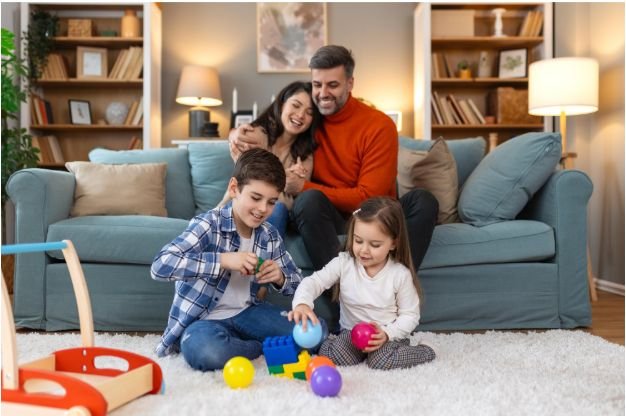

    For recreational screen time, many families do best with a clear daily cap, often around one to two hours for school-aged children, depending on age, behavior, sleep, and family values. Productive screen time should still have structure, but it should be measured by purpose and completion rather than minutes alone.

    The real question is not only “How long was my child on a screen?” It is also “Did screens replace sleep, outdoor play, chores, reading, creativity, or real conversation?”

    The Earned Tech Checklist That Reduces Arguments

    One of the best ways to stop constant screen requests is to make recreational screens earned, not automatic. I like using a simple checklist before kids get entertainment devices.

    Before recreational screen time, kids should complete daily homeschool assignments, reading goals, worksheets, or online lessons. They should also finish basic household chores such as making the bed, clearing dishes, tidying the school area, or completing morning routines.

    Physical activity should be part of the checklist too. Children need time to move, play outside, ride bikes, walk, run, or do active indoor play. Creative offline time also matters, whether that means LEGO bricks, drawing, puzzles, board games, crafts, music, or pretend play.

    This approach works because it changes the conversation. Instead of asking, “Can I have my tablet?” the child learns to ask, “Have I finished what comes first?”

    No Screen Time Before Homeschool Work

    No Screen Time Before Homeschool Work

    A strong morning rule can change the whole homeschool day. I prefer no recreational screens before homeschool work. This does not include required online lessons, but it does include cartoons, gaming, social media, and random videos.

    When kids start the morning with entertainment, it often becomes harder to shift into reading, math, writing, or hands-on learning. A better routine is breakfast, chores, morning reading, core schoolwork, and then screen privileges later.

    This rule creates fewer arguments because the order stays the same every day.

    Device-Free Zones Every Family Should Set

    Healthy screen boundaries are easier when certain places stay device-free. Bedrooms and bathrooms should not be screen spaces for kids. Keeping devices out of bedrooms helps reduce late-night scrolling, gaming, and hidden use.

    Mealtimes should also be screen-free. Breakfast, lunch, dinner, and family outings are better without phones, tablets, or laptops. These breaks protect conversation and help kids stay connected to real people, not just digital content.

    For many families, the best rule is simple: screens stay in public spaces, especially during homeschool hours.

    Digital Sunset and Central Charging

    Evening screen rules matter because screens can interfere with sleep routines. A digital sunset means devices turn off one to two hours before bedtime. This gives kids time to calm down, read, shower, talk, stretch, or prepare for the next day.

    Centralized charging also helps. Instead of letting kids keep phones, tablets, or laptops in bedrooms overnight, charge all devices in the kitchen, living room, or another parent-managed space. This removes temptation and makes the rule easier to enforce.

    Monitoring, Safety, and Parental Controls

    Monitoring, Safety, and Parental Controls

    Monitoring is not about spying. It is about teaching safe technology habits. During the homeschool day, laptops, tablets, and desktops should be used in high-traffic family areas where screens are visible.

    Parents can also use built-in tools such as Apple Screen Time, Google Family Link, router controls, app limits, content filters, and website blockers. These tools help enforce screen time boundaries, but they should support family rules rather than replace parenting.

    I also think it helps to reframe devices as parent-owned tools loaned out for specific purposes. This shifts the attitude from “This is my right” to “This is a privilege I use responsibly.”

    Sample Homeschool Screen Time Rules for Kids

    Here is a simple version families can adapt: educational screens are allowed only for assigned learning tasks; recreational screens happen after schoolwork, chores, movement, and offline creative time; devices stay in shared spaces; no screens are allowed during meals; bedrooms and bathrooms stay device-free; all devices shut down before bedtime and charge in a central location.

    These homeschool screen time rules for kids work because they are clear, predictable, and realistic for families using online learning.

    Frequently Asked Questions (FAQs)

    1. What are the best screen time rules for homeschool kids?

    The best rules separate educational screen use from entertainment, require schoolwork and chores first, keep devices in public spaces, and turn screens off before bedtime.

    2. Does online homeschool work count as screen time?

    Yes, but it should be treated differently from entertainment. Online lessons, typing practice, and educational apps are productive screen time when they have a clear purpose.

    3. How do I reduce gaming and YouTube during homeschool days?

    Set a daily recreational screen limit, require an earned tech checklist, turn off autoplay when possible, and keep YouTube or gaming in shared family spaces.

    4. Should homeschool kids keep devices in their bedrooms?

    Most families do better when devices stay out of bedrooms, especially overnight. Central charging protects sleep and reduces hidden screen use.

    Final Thoughts

    I know screens are part of modern homeschooling, so I do not think parents need to feel guilty about using them. The real goal is balance. When families separate productive learning from recreational entertainment, screen time becomes easier to manage.

    The best homeschool screen time rules for kids are simple, consistent, and connected to daily responsibilities. With the two-bucket rule, earned tech checklist, device-free zones, digital sunset, and smart monitoring, homeschool families can use technology without letting it run the home.

  • Daily Homeschool Routine for Elementary Students That Creates Confident Learners

    Daily Homeschool Routine for Elementary Students That Creates Confident Learners

    A daily homeschool routine for elementary students should feel structured enough to guide the day, but flexible enough to fit real family life. In the US, many homeschool families balance lessons with work schedules, younger siblings, co-ops, sports, errands, and household responsibilities. That is why a strong routine should not copy a full public school day at home.

    Most elementary children do not need six hours of formal academics. A successful homeschool day often includes two to three hours of focused learning, plus movement, reading, chores, outdoor time, and creative exploration. When I plan a homeschool rhythm, I focus on short lessons, predictable blocks, and enough breathing room to prevent burnout.

    Why a Simple Homeschool Routine Works Best

    Elementary students learn better when they know what comes next. A routine lowers resistance because children understand the flow of the day. Breakfast leads to chores, chores lead to morning learning, and core subjects happen before energy drops.

    A routine also helps parents stay consistent. Without a plan, math can stretch too long, reading may get skipped, and the whole day can feel unfinished. With a simple homeschool daily schedule, families can complete the most important work early and still leave space for real-life learning.

    Sample 4-Hour Homeschool Daily Rhythm

    This sample rhythm works well for many elementary families because it keeps formal learning focused while still giving children time to move, rest, and explore.

    Morning Launch and Togetherness

    Morning Launch and Togetherness

    Start around 8:30 a.m. with breakfast, getting dressed, brushing teeth, making beds, and simple chores. This helps children shift into the day without rushing. After that, begin with a morning basket or family learning time.

    Morning baskets can include a read-aloud novel, poetry, calendar review, memory work, character lessons, or an age-appropriate current events segment. Some families also add a short walk, stretching, or kid-friendly yoga to wake up the body and brain. I like this block because it creates connection before independent work begins.

    High-Focus Core Subjects

    From about 9:30 a.m. to 11:00 a.m., focus on the subjects that need the most attention. Math usually works best first because children often have stronger focus earlier in the day. A 30 to 45-minute math block is usually enough for many elementary students.

    After math, add a short snack and movement break. Then move into language arts, such as phonics, reading practice, handwriting, spelling, grammar, or writing. Early elementary students may need lessons as short as 15 to 20 minutes, while upper elementary students may handle 30 to 45 minutes.

    Loop Subjects and Exploration

    From 11:00 a.m. to 12:00 p.m., use a loop schedule for subjects that do not need daily instruction. Instead of forcing science, history, geography, art, music, and coding into every day, rotate them across the week.

    For example, history or geography can happen on Monday and Wednesday. Hands-on science or beginner coding can happen on Tuesday and Thursday. Friday can be used for art projects, music practice, nature journaling, library trips, or review work. This keeps the week rich without making the daily routine overwhelming.

    Hands-on learning matters at this age. Children remember more when they build, draw, cook, experiment, map, observe nature, or discuss what they read. A good homeschool routine should include both bookwork and active learning.

    This balanced approach fits well within a homeschool schedule for working parents, allowing lessons to remain engaging while making it easier to combine structured learning with flexible, real-life activities that fit around work responsibilities.

    Lunch and Quiet Recharge

    Lunch and Quiet Recharge

    Around noon, pause for lunch and simple cleanup chores. After lunch, quiet time gives everyone a reset. Children can read independently, listen to audiobooks, draw, work on puzzles, or rest.

    This quiet block is especially helpful for parents who work from home or need time to prepare for the afternoon. It also teaches children how to enjoy calm independent activities without constant direction.

    Flexible Homeschool Schedule for Working Parents

    A daily homeschool routine for elementary students can still work if parents have jobs, appointments, or unpredictable schedules. The key is to protect the core subjects and stay flexible with the rest.

    Some families complete math and reading early in the morning before work. Others split the day into morning and afternoon blocks. A visual checklist can help children complete independent tasks while a parent handles work responsibilities. The checklist may include chores, math review, handwriting, reading goals, and quiet projects.

    Rules That Make the Routine Easier

    The first rule is to focus on rhythm, not strict times. You do not need to move at exactly 9:30 or 11:00 every day. Move to the next block when the task is complete and your child is ready.

    The second rule is to keep lessons short. Young children learn best in focused bursts. Long lessons often create frustration, while short lessons with breaks keep momentum strong.

    The third rule is to let children keep their hands busy during listening time. Drawing, playdough, LEGO bricks, coloring, or quiet building can help some children process read-alouds, history, or literature more easily.

    The fourth rule is to use independent checklists. A simple visual routine builds responsibility and reduces repeated reminders. Over time, children learn to manage small parts of their homeschool day with more confidence.

    Common Mistakes to Avoid

    Common Mistakes to Avoid

    One common mistake is trying to recreate a traditional school day at home. Homeschooling is often more efficient because lessons are focused and personalized.

    Another mistake is skipping breaks. Elementary students need movement, snacks, conversation, and outdoor time. Breaks are not wasted time; they help children return to learning with better focus.

    It is also easy to overload the day with too many subjects. Start with math, reading, writing, and one rotating subject. Then add extras when the routine feels steady.

    Frequently Asked Questions (FAQs)

    1. How long should elementary homeschool take each day?

    Most elementary homeschool students do well with two to three hours of formal academics, plus reading, play, chores, and enrichment activities.

    2. What should I teach every day in elementary homeschool?

    Math, reading, and writing are the best daily subjects. Science, history, geography, art, music, and nature study can rotate through the week.

    3. What is the best homeschool schedule for beginners?

    The best beginner schedule includes a morning routine, core learning block, movement break, loop subject, lunch, quiet time, and afternoon free play.

    4. How do I make a daily homeschool routine for elementary students work long term?

    Keep the routine simple, use short lessons, add movement, rotate secondary subjects, and adjust the schedule when your family’s needs change.

    Final Thoughts

    A daily homeschool routine for elementary students should help your home feel calmer, not more pressured. I believe the best routines give children structure while still leaving room for curiosity, creativity, outdoor time, and family life.

    You do not need a perfect schedule to homeschool well. You need a repeatable rhythm that helps your child learn consistently and helps your family move through the day with less stress.

  • Family Bonding Activities at Home That Bring Everyone Closer

    Family Bonding Activities at Home That Bring Everyone Closer

    I have learned that strong family memories do not always come from vacations, expensive outings, or perfectly planned weekends. Some of the best moments happen right in the living room, around the kitchen counter, or during a quiet evening when everyone finally slows down. 

    That is why family bonding activities at home matter so much. They give parents and kids simple ways to laugh, talk, create, solve problems, and feel connected without needing a big budget or a packed schedule.

    Why Family Bonding at Home Matters

    Home is where children learn how relationships feel. When parents make time for shared activities, kids feel noticed, valued, and emotionally safe. These moments also help build communication, patience, teamwork, confidence, and trust.

    The best part is that bonding does not need to be complicated. A 15-minute card game, a homemade pizza night, a bedtime story routine, or a weekend craft project can create the kind of connection children remember. What matters most is consistency. When family time becomes part of everyday life, it feels natural instead of forced.

    Quick Family Activities for Busy Weeknights

    Busy families often think they need hours of free time to connect, but short activities can work just as well. A simple “high and low” conversation at dinner lets every person share the best and hardest part of the day. This helps kids open up without feeling pressured.

    Another easy idea is a 10-minute living room dance party. Put on one favorite song for each family member and let everyone move, laugh, and be silly. You can also try a quick puzzle challenge, a round of charades, or a short walk around the block after dinner.

    These small routines are powerful because they tell children, “I have time for you.” Even when the day is full, a short connection point can reset the mood of the whole household.

    Screen-Free Family Bonding Ideas

    Screen-Free Family Bonding Ideas

    Screens are part of modern family life, but setting aside screen-free time can help everyone feel more present. Family game night is one of the easiest ways to do this. Choose board games, card games, or word games that match your child’s age. Keep the mood light and focus on laughter instead of winning.

    Building a blanket fort is another simple idea that works well for younger kids. Add pillows, flashlights, books, and snacks to turn it into a cozy family hideout. Older kids may enjoy a no-phone cooking challenge, trivia night, or a DIY escape room using clues hidden around the house.

    Activities like these also provide natural opportunities for teaching kids responsibility at home, encouraging them to help with setup, cleanup, organizing materials, and working together as a family while building confidence and teamwork.

    Screen-free time does not have to feel like a rule. It works best when it feels like something better is replacing the screen.

    Creative Activities That Build Connection

    Creative projects help families bond because everyone contributes something personal. You can paint together, make homemade greeting cards, decorate cookies, build with blocks, or create a family scrapbook.

    A family art wall is a fun ongoing idea. Each week, one person adds a drawing, quote, photo, or memory. Over time, it becomes a visual reminder of shared moments.

    Storytelling is another powerful activity. Ask each family member to add one sentence to a made-up story. The result is usually funny, strange, and memorable. This helps children use imagination while also practicing listening and turn-taking.

    Kitchen and Mealtime Bonding Activities

    The kitchen is one of the best places for connection. Cooking together teaches teamwork, responsibility, and patience. Younger children can wash vegetables, stir batter, or set the table. Older kids can help plan meals, read recipes, measure ingredients, or cook simple dishes.

    Try a family pizza night with leftovers where each person chooses toppings. You can also create a breakfast-for-dinner night, taco bar, smoothie challenge, or homemade dessert evening.

    Mealtime bonding is not only about food. It is also a chance to talk. Ask fun questions like, “What made you laugh today?” or “If we could design our dream house, what would it include?” These small questions often lead to meaningful conversations.

    Quiet Evening Family Rituals

    Quiet Evening Family Rituals

    Not every bonding activity has to be loud or energetic. Quiet rituals can be just as meaningful, especially after a long day. Reading together is one of the best options. Families with younger kids can read picture books, while older children may enjoy chapter books, audiobooks, or taking turns reading aloud.

    Gratitude journals are another calming idea. Each person writes or shares one thing they appreciated that day. This helps children notice positive moments and builds emotional awareness.

    You can also create a bedtime reflection routine. Ask, “What was one good thing about today?” and “What is one thing you want to try tomorrow?” This gives kids a peaceful way to end the day feeling heard.

    Weekend Bonding Ideas at Home

    Weekends are perfect for longer activities. A backyard camping night can feel like a mini adventure without leaving home. Set up a tent, make simple snacks, tell stories, and look at the stars.

    Family movie night can also be special when you turn it into an event. Let one person pick the movie, another choose snacks, and another create tickets or a cozy seating area.

    Other weekend ideas include home science experiments, gardening, indoor obstacle courses, family talent shows, decluttering together for donation, or planning a themed dinner night. These activities create shared memories while helping kids feel like active members of the family.

    How to Make Family Bonding a Habit

    The best family bonding activities at home are the ones your family will actually repeat. Start small. Pick one weeknight activity and one weekend activity. Keep supplies simple and avoid making the experience too perfect.

    Let children help choose the activity. When kids have a voice, they are more likely to participate. You can even create a family activity jar filled with ideas and pull one out when everyone needs something to do.

    Most importantly, protect the mood. Family bonding should not become another task on the checklist. It should feel warm, flexible, and fun.

    Frequently Asked Questions

    1. What are the best family bonding activities at home for kids?

    The best options include board games, cooking together, reading aloud, crafts, dance parties, storytelling, puzzles, backyard camping, family movie nights, and simple dinner conversations.

    2. How often should families plan bonding activities?

    Families do not need to plan something every day. Even two or three small moments each week can make a big difference when they are consistent and distraction-free.

    3. How can I bond with older kids or teens at home?

    Give them more choice. Try cooking challenges, movie nights, trivia games, DIY projects, music sharing, home workouts, or casual late-night snacks and conversations.

    4. What if my family has different age groups?

    Choose flexible activities where each person can join at their own level. Cooking, art, storytelling, scavenger hunts, and movie nights usually work well for mixed ages.

    Final Thoughts

    I believe the strongest family connections are built through repeated everyday moments. You do not need a perfect home, expensive supplies, or a full day of free time. You need attention, laughter, patience, and a willingness to show up.

    When families make room for small rituals like games, meals, stories, crafts, and quiet talks, home starts to feel more connected. Over time, these simple moments become the memories kids carry with them.

  • Homeschool Quiet Time Ideas for Toddlers That Calm the Chaos

    Homeschool Quiet Time Ideas for Toddlers That Calm the Chaos

    The right homeschool quiet time ideas for toddlers can turn the loudest part of your day into a calmer, more manageable routine. Toddlers are curious, busy, and full of energy, so quiet time should never feel like punishment. 

    It should feel like a special daily rhythm where they can build, listen, explore, and play independently while you guide older kids through focused lessons.

    Why Homeschool Toddlers Need a Quiet Time Routine

    A toddler quiet time routine gives your child a daily pause. Even if your toddler no longer naps, they still need a slower part of the day to reset. This helps them practice self-regulation, patience, and independent play.

    Quiet time also helps you teach older siblings with fewer interruptions. When your toddler knows what to expect, your homeschool schedule feels less reactive. Instead of scrambling for activities during math or reading lessons, you already have a plan ready.

    The key is to start small. A toddler may only manage 5 to 10 minutes at first. Over time, that can grow into 20, 30, or even 45 minutes of calm activity.

    Low-Prep Quiet Bins for Homeschool Toddlers

    Low-Prep Quiet Bins for Homeschool Toddlers

    Quiet bins are designated toy containers used only during quiet time. This makes them feel special and keeps the activities fresh. I like quiet bins because they are simple, affordable, and easy to rotate throughout the week.

    Magnetic tile building is one of the best quiet bin ideas because toddlers can build towers, shapes, houses, and flat designs on the floor. Pom-pom color sorting also works well. Place colored paper in a muffin tin and let your toddler sort pom-poms with a scoop or toddler-safe tongs.

    Sticky wall matching is another fun option. Tape contact paper sticky-side-out to a wall and let your toddler press foam shapes, felt pieces, or paper cutouts onto it. For fine motor practice, add large buttons and pipe cleaners so your child can thread buttons quietly. 

    Sponge blocks are also excellent because you can cut kitchen sponges into soft building blocks that make almost no noise.

    Mess-Free Creativity for Quiet Time

    Creative play does not need to become a cleanup disaster. Mess-free activities help toddlers explore color, texture, and imagination while your homeschool space stays manageable.

    Water-reveal books, such as Water Wow-style activity pads, are great because toddlers only need water to reveal pictures. Mess-free markers, like Color Wonder-style products, are also useful because they only work on special paper. 

    Dot sticker lines are another simple activity. Draw straight, curved, or zigzag lines on paper and let your toddler follow the lines with colorful stickers.

    Window clings can also keep toddlers busy for longer than expected. Let them stick and peel reusable gel clings on a glass door or low window. This gives them sensory input, hand practice, and quiet play without glue, paint, or scattered supplies.

    Screen-Free Audio and Literacy Ideas

    Audio stories are one of the most underrated homeschool quiet time ideas for toddlers because they help children slow down without using a screen. A screen-free audio player, such as a Yoto-style or Toniebox-style device, allows toddlers to listen to stories, songs, or calming sounds independently.

    Look-and-find board books are also perfect for quiet time. Toddlers can search for animals, colors, shapes, or familiar objects while flipping pages. You can also set up “stuffed animal school” by placing a few plush toys in a cozy corner. Your toddler can “read” picture books aloud to their animals while you work with older children.

    These activities build early literacy, listening skills, and imagination without adding noise or screen dependence.

    Sensory Quiet Time Activities That Stay Calm

    Sensory Quiet Time Activities That Stay Calm

    Sensory play helps toddlers focus, but it needs boundaries during homeschool hours. Quiet sensory activities that stay on a tray, mat, or small table are often the easiest to manage and reduce unnecessary distractions.

    Setting clear expectations about where and how these activities take place is one of the positive parenting tips for everyday family life, helping children develop independence, follow routines, and enjoy creative play while respecting household rules.

    Play dough works well when you give your child a tray, a rolling pin, and a few cookie cutters. Kinetic sand can also work if your toddler understands the rules. Sensory bottles are even easier because they offer visual calm without mess. You can make them with water, glitter, beads, buttons, or small plastic items sealed inside a bottle.

    A dry sensory bin with oats, pasta, shredded paper, or rice can also be helpful, but only if your toddler can use it safely. Add scoops, cups, toy animals, or large letters to make the bin more engaging.

    Montessori-Inspired Quiet Activities for Toddlers

    Montessori quiet time activities work well because they encourage order, focus, and real-life skills. You do not need expensive materials to use this approach.

    Try transferring cotton balls with tongs, matching socks, folding washcloths, wiping a small table, or pouring dry pasta from one cup to another. These practical life activities feel meaningful to toddlers because they love copying adult tasks.

    Keep each activity on a tray. A clear beginning and end helps your toddler understand how to complete the task and clean up before moving on.

    Quiet Time Ideas While Teaching Older Kids

    When I teach older children, I choose toddler activities that require very little help. The best options are simple puzzles, magnetic tiles, quiet books, animal figures, pretend food, stacking cups, and reusable sticker books.

    Before the homeschool lesson starts, set out one activity, a water bottle, and a small snack if needed. This prevents constant interruptions. It also helps to save special toys only for homeschool lesson time, so they feel excited when they appear.

    If your toddler wants to be near you, create a small cozy corner beside the homeschool table. This lets them feel included without taking over the lesson.

    How to Train Toddlers for Quiet Time

    How to Train Toddlers for Quiet Time

    Training matters just as much as the activity. Use a visual timer because toddlers cannot understand regular clocks. A countdown timer helps them see when quiet time will end.

    Begin with a very short time, even 5 minutes. Praise your toddler when they stay in the quiet area or finish an activity. Add a few more minutes only when they are ready.

    Set one or two clear rules. For example, “Play dough stays on the tray” or “You stay in the cozy corner until the timer beeps.” Simple rules are easier for toddlers to remember.

    Common Mistakes to Avoid

    One mistake is offering too many choices. When toddlers see too many toys, they often dump everything and move on. A single quiet bin usually works better than a crowded playroom.

    Another mistake is expecting instant success. Independent play is a learned skill. Some days will go smoothly, and other days will feel messy. Stay consistent and keep the routine predictable.

    Avoid using screens as the main quiet time tool. A short educational video may help occasionally, but screen-free quiet time activities build stronger focus, creativity, and independence over time.

    Frequently Asked Questions FAQs)

    1. How long should homeschool quiet time last for toddlers?

    Start with 5 to 10 minutes and slowly build up to 20, 30, or 45 minutes depending on your toddler’s age and attention span.

    2. What are the best quiet bins for toddlers?

    The best quiet bins include magnetic tiles, pom-pom sorting, sponge blocks, chunky puzzles, button threading, pretend food, and reusable sticker activities.

    3. How do I keep my toddler busy while homeschooling older kids?

    Use a quiet bin, audio story, snack, board books, and a cozy corner near your homeschool space so your toddler feels included but stays occupied.

    4. Are audio stories good for toddler quiet time?

    Yes, audio stories are a great screen-free option because they support listening skills, language development, imagination, and calm independent play.

    Final Thoughts

    I believe homeschool quiet time ideas for toddlers work best when they are simple, repeated, and realistic. You do not need a perfect routine or expensive toys. You need a calm space, a few low-prep activities, and clear expectations.

    Quiet bins, audio stories, mess-free creativity, sensory trays, and Montessori-style activities can help your toddler stay engaged while you teach older siblings. With practice, quiet time can become one of the most peaceful parts of your homeschool day.

  • Homeschool Emotional Regulation Activities That Help Kids Calm Down and Focus

    Homeschool Emotional Regulation Activities That Help Kids Calm Down and Focus

    A homeschool day can change quickly. One minute, your child is reading calmly. The next, a tough worksheet, a loud noise, or a small disappointment turns into tears, anger, or shutdown.

    I have learned that calm learning does not happen by accident. Kids need simple emotional tools they can practice before stress takes over. That is where homeschool emotional regulation activities can make daily lessons feel smoother, safer, and more manageable.

    Why Emotional Regulation Matters in a Homeschool Routine

    In a traditional classroom, home emotions and school emotions may stay separate. In homeschooling, everything happens in the same environment. A difficult worksheet, a sibling interruption, a messy room, or a rushed morning can quickly affect the entire school day.

    I do not see emotional moments as learning failures. I see them as opportunities to teach self-regulation, emotional awareness, impulse control, and coping skills. When children learn how to pause, breathe, name feelings, and choose a calming tool, they become more confident learners.

    Social emotional learning also supports self-awareness, self-management, relationship skills, and decision-making. These skills help children handle homeschool lessons, co-op days, sports, friendships, and family life with more confidence.

    Start With Daily Emotional Check-Ins

    Start With Daily Emotional Check-Ins

    A daily emotional check-in is one of the easiest ways to build emotional literacy. Before starting lessons, ask your child how they feel. You can use a feelings wheel, emotion cards, a mood chart, or a simple journal page.

    A feelings wheel check-in works well for visual learners. Print or draw a colorful wheel with different emotions, then ask your child to place a clothespin, sticker, or magnet on the feeling that matches their mood. This helps kids move beyond basic words like happy, sad, or mad.

    You can also use a size of the problem scale. Post a simple 1-to-5 chart on the wall. When something happens, such as a ripped paper or hard spelling word, ask your child to rate the problem. This teaches them to match the size of their reaction to the size of the issue.

    Another helpful idea is an emotion word of the week. Every Monday, introduce a word like frustrated, overwhelmed, disappointed, nervous, excited, or anticipation. Use books, real-life examples, and family conversations to help your child understand what that emotion feels like.

    Create a Homeschool Calm Down Corner

    A calm down corner gives your child a safe place to reset. It should never feel like punishment. It should feel like a quiet tool your child can use when their body needs help calming down.

    You can place a soft chair, small rug, a feelings chart, a timer, picture books, breathing cards, sensory tools, and coping strategy cards in one quiet area. Some families use a basket instead of a corner, especially if they homeschool at the kitchen table.

    A DIY calm box is another great option. Decorate a storage bin with your child and fill it with calming tools such as noise-canceling headphones, kinetic sand, textured stress balls, emotion cards, coloring pages, and fidgets.

    When I introduce a calm down space, I explain it before emotions get intense. I might say, “This is not a time-out spot. This is where we help our body feel safe and steady again.”

    Use Movement Games for Impulse Control

    Some children need movement before they can focus. Movement games help kids practice listening, stopping, waiting, and controlling their bodies.

    Musical statues is a simple activity. Play upbeat music and let your child dance freely. Pause the music suddenly and have them freeze. This strengthens physical control and attention.

    Red Light, Green Light works well in a hallway, backyard, or living room. Your child moves on green and stops on red. This helps them practice listening, processing directions, and stopping their body quickly.

    Rhythm clap backs are also useful. Clap a short pattern and ask your child to repeat it exactly. They must listen first, wait, and then respond. This builds focus, working memory, and micro-impulse control.

    These games are especially helpful between subjects, before handwriting, after screen time, or during transitions.

    Teach Breathing and Grounding Activities

    Teach Breathing and Grounding Activities

    When a child enters fight-or-flight mode, logic usually does not work first. The body needs calming before the brain can problem-solve.

    Hand-tracing breathing is one of the easiest homeschool emotional regulation activities for younger children. Ask your child to spread one hand wide. With the other hand, they trace up one finger while breathing in and trace down while breathing out. The visual movement makes breathing easier to follow.

    The 5-4-3-2-1 grounding method also works well. Ask your child to name five things they see, four things they feel, three things they hear, two things they smell, and one thing they taste. This brings attention back to the present moment.

    For children with body tension, try a progressive muscle body scan. Lie down together and start at the toes. Ask your child to squeeze one muscle group for five seconds, then release on a long breath. Move slowly through the legs, belly, hands, shoulders, and face.

    Add Creative Tactile Outlets

    Some kids process emotions better through their hands. Creative tactile activities give them a safe way to release frustration.

    A glitter calming jar is easy to make with a plastic bottle, warm water, clear glue, and fine glitter. Shake it during a big emotion and ask your child to watch the glitter settle. This gives their body time to slow down.

    Crumpled crease art is another powerful activity. Give your child a blank sheet of paper and let them crush it into a tight ball to release frustration. Then flatten it and color inside the crease lines. This turns a hard feeling into something creative.

    You can also use playdough, kinetic sand, water beads, drawing, painting, or textured crafts as sensory activities for emotional regulation at home.

    Practice Co-Regulation as a Parent

    Children learn self-regulation by watching adults regulate themselves. Since homeschool parents are both caregivers and teachers, our modeling matters.

    Narrated self-regulation is a simple tool. When I feel stressed, I can say, “I am feeling overwhelmed by this messy table, so I am going to take three slow breaths before I clean it.” This shows children that adults also pause and choose healthy responses.

    After a tantrum, avoid lecturing immediately. Wait until your child is calm. Then use post-tantrum storytelling. Draw a comic strip or write a short story together about what happened, what triggered the big feeling, and what tool could help next time.

    This keeps correction calm, useful, and shame-free.

    Build Emotional Regulation Into the School Day

    Build Emotional Regulation Into the School Day

    The best homeschool emotional regulation activities work because they become part of the routine. You can start with a morning feelings check-in, add movement between subjects, keep a calm box nearby, use breathing before difficult lessons, and end the day with a short reflection.

    A predictable routine helps children feel secure. When kids know they will have breaks, support, and calming tools, they often handle frustration better. These simple habits also contribute to creating a mindful home for relaxation, where children feel emotionally safe and ready to learn.

    You do not need a perfect system. You need a repeatable rhythm that helps your child feel safe enough to learn.

    Frequently Asked Questions (FAQs)

    1. What are the best emotional regulation activities for homeschool kids?

    The best activities include feel wheel check-ins, calm down corners, breathing exercises, grounding techniques, sensory tools, movement games, and coping skills practice.

    2. How do I help my child calm down during homeschool lessons?

    Pause the lesson, lower your voice, offer a calm-down tool, use breathing or grounding, and return to the lesson only after your child feels regulated.

    3. Are emotional regulation activities helpful for ADHD homeschool kids?

    Yes. Movement breaks, sensory tools, visual charts, short routines, calm boxes, and impulse-control games can support ADHD homeschool learners.

    4. How often should kids practice emotional regulation skills?

    Kids should practice daily during calm moments so they can use the tools more successfully during frustration, anger, anxiety, or sensory overload.

    Final Thoughts

    Homeschooling gives us a unique chance to teach academics and life skills together. Emotional regulation is one of those life skills that follows children far beyond the homeschool room.

    I like to keep the goal simple. I do not expect my child to stay calm every minute. I want them to understand their feelings, know their coping tools, and believe they can recover after hard moments. 

    With daily check-ins, calm spaces, sensory tools, movement games, grounding exercises, and parent modeling, emotional regulation becomes a natural part of learning at home.

  • How to Teach Kids Responsibility at Home

    How to Teach Kids Responsibility at Home

    I believe responsibility is not something children suddenly learn when they become teenagers. It starts in small daily moments: putting shoes away, feeding the dog, packing a backpack, helping with dishes, or admitting when something went wrong. 

    For many busy families, how to teach kids responsibility at home is less about strict rules and more about creating simple habits that children can repeat until they feel natural.

    Why Responsibility Matters for Kids

    Responsibility helps children become confident, independent, and dependable. When kids learn to complete small tasks, they begin to understand that their actions matter. They also learn time management, problem solving, patience, and accountability.

    At home, responsibility can show up in many ways. A child can clean up toys, finish homework before screen time, help prepare lunch, care for a pet, or remember sports gear before practice. These everyday tasks teach life skills far better than lectures alone.

    Start With Clear Expectations

    Children cannot meet expectations they do not understand. Instead of saying, “Clean your room,” explain exactly what that means. You might say, “Put dirty clothes in the hamper, books on the shelf, and toys in the bin.”

    Clear instructions reduce arguments. They also help kids feel successful because they know what finished looks like. For younger children, picture charts work well. For older kids, a simple checklist on the fridge or bedroom door can help them stay on track.

    Give Age-Appropriate Responsibilities

    Give Age-Appropriate Responsibilities

    The best responsibilities are challenging but realistic. Toddlers can put toys in a basket, preschoolers can help set napkins on the table, grade-school children can pack their school bags, and older kids can help with laundry, simple meals, trash, or pet care.

    Giving too much too soon can frustrate children. Giving too little can make them dependent. The goal is for growing children to step back. Add one new task at a time, teach it patiently, and allow the child to practice.

    Model Responsible Behavior

    Kids notice what adults do. If parents make promises, keep routines, apologize for mistakes, and manage daily tasks calmly, children learn responsibility by watching.

    For example, if I want a child to manage homework without constant reminders, I also need to show what planning looks like. That might mean using a family calendar, preparing the night before, or talking through priorities.

    Build Responsibility Into Daily Routines

    Responsibility becomes easier when it is part of the day instead of a random demand. Morning routines can include making the bed, brushing teeth, packing lunch, and checking the backpack. Evening routines can include putting away shoes, placing homework in a folder, and choosing clothes for tomorrow.

    Routines reduce decision fatigue for both parents and children. When the same tasks happen at the same time each day, kids begin to do them with less resistance. Establishing predictable routines is one of the most effective positive parenting tips for everyday family life, as it builds confidence, encourages responsibility, and creates a calmer home where expectations are clear and daily transitions become easier for everyone.

    Use Natural Consequences

    Use Natural Consequences

    Natural consequences teach responsibility without constant punishment. If a child forgets a jacket, they may feel cold. If they forget homework, they may need to explain it to the teacher. If they leave a favorite toy outside, they may not have it ready the next day.

    The key is safety and fairness. Natural consequences should teach, not shame. Parents can stay calm and say, “What can we do differently next time?”

    Praise Effort, Not Perfection

    Children need encouragement while learning. Instead of only praising perfect results, notice effort and follow-through. Say, “You remembered to feed the dog without being asked,” or “I like how you kept trying even though folding towels was hard.”

    This builds confidence. Kids are more likely to repeat responsible behavior when they feel capable instead of criticized.

    Teach Responsibility Without Overusing Rewards

    Sticker charts, allowance, and rewards can be useful, especially for younger kids. But responsibility should not always depend on payment. Children also need to understand that helping at home is part of being in a family.

    A balanced approach works best. Use rewards for building new habits, but also explain the deeper reason behind the task. For example, “We all clean the kitchen because everyone eats here.”

    Include Digital Responsibility

    Include Digital Responsibility

    Modern responsibility includes screen habits. Children need rules for tablets, gaming, phones, and online schoolwork. Teach them to finish homework before entertainment, charge devices in a common area, ask before downloading apps, and respect family screen limits.

    Digital responsibility also includes kindness online, privacy, and knowing when to take breaks. These skills matter as much as chores.

    Teach Money Responsibility Early

    Allowance, saving jars, grocery budgeting, and simple spending choices can teach children financial responsibility. A young child can divide money into saving, spending, and giving. Older kids can compare prices, plan for a purchase, or help understand why families budget for school supplies, meals, and activities.

    Money lessons at home help kids understand patience, planning, and consequences.

    Frequently Asked Questions

    1. What is the best age to start teaching responsibility?

    Children can start learning responsibility as toddlers through simple tasks like putting toys away, helping carry small items, or placing clothes in a hamper.

    2. How do I motivate a child who refuses chores?

    Start small, stay calm, give clear choices, and connect the task to family teamwork. Avoid turning every chore into a battle.

    3. Should kids get paid for chores?

    Some families use allowance, while others separate chores from money. A mixed approach works well: basic family tasks are unpaid, while extra jobs can earn money.

    4. What is the easiest way for how to teach kids responsibility at home?

    The easiest way is to create daily routines, give age-appropriate tasks, model responsible behavior, and let children experience safe natural consequences.

    Final Thoughts

    I think responsibility grows best when children feel trusted, guided, and included. A home does not need to be perfect for kids to learn responsibility. It only needs steady routines, clear expectations, patient teaching, and chances to try again.

    When parents teach responsibility through everyday life, children learn more than chores. They learn confidence, independence, respect, time management, and accountability. That is what makes how to teach kids responsibility at home such an important parenting goal.

  • How to Improve Communication in Family Life

    How to Improve Communication in Family Life

    I believe most family problems do not begin with a lack of love. They begin when people stop feeling heard. That is why learning how to improve communication in family life can change the entire mood of a home. 

    Better communication is not about perfect conversations. It is about listening with patience, speaking with respect, and creating daily moments where every family member feels safe enough to be honest.

    Why Family Communication Matters

    Healthy communication helps families solve problems before they become emotional distance. When parents, partners, children, and siblings talk openly, the home becomes calmer and more supportive. It also teaches children how to express feelings, handle disagreement, and respect others.

    Poor communication often shows up as shouting, silence, sarcasm, blame, or people avoiding each other. Over time, these habits can make even small issues feel heavy.

    Common Reasons Families Struggle to Communicate

    Many families do not struggle because they do not care. They struggle because life gets busy. Work pressure, school stress, phones, divided household chores, and tiredness can make conversations rushed or reactive.

    Another common reason is different communication styles. One person may want to talk immediately, while another needs time to process feelings. Children may act out because they cannot explain what they feel. Teenagers may withdraw when they feel judged. Adults may avoid difficult topics to keep peace, but silence often creates more tension later.

    Practical Ways to Build Better Family Communication

    Practical Ways to Build Better Family Communication

    Practice Active Listening

    Listening is more than staying quiet while someone speaks. It means giving attention, making eye contact, and not planning your reply too soon. A simple sentence like “I understand why that upset you” can reduce defensiveness quickly.

    Use Calm Words During Conflict

    The goal of family communication is not to win an argument. It is to understand the problem. Replace blaming phrases with feeling-based language. Instead of saying, “You never help,” say, “I feel overwhelmed and need support.”

    Create Screen-Free Conversation Time

    Phones often interrupt emotional connection. A simple no screen during meals, bedtime chat, or weekend walk can give families space to talk without distraction. This works best when everyone follows the same rule, including adults.

    Hold Weekly Family Check-Ins

    A weekly check-in helps prevent small frustrations from building up. Ask what went well, what felt hard, and what everyone needs next week. Keep the tone relaxed, not like a meeting where someone is in trouble.

    Encourage Children to Name Feelings

    Children often need help finding words for emotions. Ask gentle questions like, “Are you feeling sad, angry, embarrassed, or tired?” When kids learn emotional language early, they become better communicators as they grow.

    Respect Teen Privacy While Staying Available

    Teenagers may not open up on command. Instead of forcing deep talks, create low-pressure moments in the car, during chores, or before bedtime. Let them know you are available without turning every conversation into advice.

    Repair After Arguments

    Every family argues sometimes. What matters is repair. Saying “I should not have spoken that way” teaches accountability. A sincere apology can rebuild trust faster than pretending nothing happened.

    Use Positive Language Daily

    Families should not only talk when something is wrong. Appreciation matters. Say thank you, notice effort, and speak encouragement out loud. Even when you need to talk to yourself loud to practice calmer words first, that habit can help you respond with more patience. Positive words make difficult conversations easier because the relationship already feels safer.

    Communication Mistakes to Avoid

    Communication Mistakes to Avoid

    One major mistake is interrupting too quickly, as this makes the other person feel dismissed. Another is using old mistakes as weapons during new arguments instead of staying focused on the current issue.

    Practicing respectful communication not only helps resolve disagreements but also strengthens relationships, making it easier to enjoy weekend family activities together in a positive, relaxed, and supportive atmosphere.

    Avoid sarcasm when emotions are high. It may feel harmless, but it often creates shame or resentment. Also avoid comparing family members. Every person wants to feel understood as an individual.

    Simple Family Communication Routine

    If you want to know how to improve communication in family life, start with a routine that feels realistic. Spend ten minutes a day checking in with one family member. Ask one open question, listen without correcting, and end with appreciation.

    Once a week, gather as a family and talk about schedules, stress, meals, chores, and anything that needs attention. Keep it simple and consistent. Over time, this routine builds trust.

    Frequently Asked Questions

    1. What is the easiest way to improve family communication?

    The easiest way is to listen without interrupting. When people feel heard, they usually become calmer and more willing to talk.

    2. How can parents communicate better with children?

    Parents can communicate better by using simple words, asking open questions, validating feelings, and correcting behavior without attacking character.

    3. Why do families stop communicating well?

    Families often stop communicating well because of stress, busy schedules, unresolved conflict, screen distractions, and fear of being judged.

    4. How to improve communication in family life after arguments?

    Start with a sincere apology, explain your feelings calmly, listen to the other person’s side, and agree on one small change for next time.

    Final Thoughts

    I think strong family communication is built in small moments, not big speeches. A calm question, a patient pause, a kind apology, or a few minutes without a phone can slowly change the way a family connects. When we make space to listen and speak with care, home becomes less stressful and more supportive. That is the real power of learning how to improve communication in family life.